Commercial Auto Insurance: Everything Your Business Needs to Know
By PolicyBenchmark Editorial Team · March 14, 2026
Commercial auto insurance protects businesses when vehicles are used for work purposes. Whether you own a fleet of delivery trucks, have sales representatives driving company cars, or simply use your personal vehicle to visit client sites, understanding commercial auto coverage is critical to ensuring your business is properly protected.
This guide covers the types of commercial auto coverage available, who needs it, how it differs from personal auto insurance, what drives the cost, and how to manage your coverage effectively.
This content is for informational purposes only and does not constitute insurance advice. Always consult with a licensed insurance professional before making coverage decisions.
Types of Commercial Auto Coverage
Commercial auto policies offer several types of coverage that can be combined to create a comprehensive protection program:
Liability Coverage
Commercial auto liability is the foundation of any commercial auto policy. It covers bodily injury and property damage that your business causes to others in an auto accident.
- Bodily injury liability — Covers medical expenses, lost wages, pain and suffering, and legal defense costs when your driver causes injury to others.
- Property damage liability — Covers the cost to repair or replace other people's property (vehicles, buildings, fences, etc.) damaged by your driver.
Most states require minimum liability limits for commercial vehicles. Common commercial auto liability limits are $1 million combined single limit (CSL) or split limits of $250,000/$500,000/$100,000 (per person/per accident bodily injury/property damage). Many client contracts and government contracts require $1 million CSL or higher.
Physical Damage Coverage
Physical damage coverage protects your own vehicles:
- Collision — Covers damage to your vehicle from a collision with another vehicle or object, regardless of fault.
- Comprehensive — Covers damage to your vehicle from non-collision events, including theft, vandalism, fire, hail, flooding, falling objects, and animal strikes.
Physical damage coverage is optional from a legal standpoint but is typically required by lenders or lessors if your vehicles are financed or leased.
Medical Payments / Personal Injury Protection (PIP)
Covers medical expenses for your driver and passengers injured in an accident, regardless of fault. In no-fault states, personal injury protection (PIP) replaces medical payments coverage and provides broader benefits including lost wages and rehabilitation.
Uninsured/Underinsured Motorist Coverage
Covers your driver and vehicle when the at-fault driver does not have insurance (uninsured) or does not have enough insurance (underinsured) to cover the damages. Many states require this coverage for commercial vehicles.
Hired and Non-Owned Auto Coverage
This is one of the most commonly overlooked — and most important — commercial auto coverages:
- Hired auto — Covers liability when your employees rent or hire vehicles for business use. If an employee rents a car for a business trip and causes an accident, hired auto coverage responds.
- Non-owned auto — Covers liability when employees use their personal vehicles for business purposes. If an employee drives their own car to a client meeting and causes an accident, non-owned auto covers your business's liability exposure.
Hired and non-owned auto coverage is often added as an endorsement to a commercial auto policy or a general liability policy. Any business whose employees ever drive for work purposes — even occasionally — should carry this coverage.
Who Needs Commercial Auto Insurance?
Commercial auto insurance is necessary for any business that:
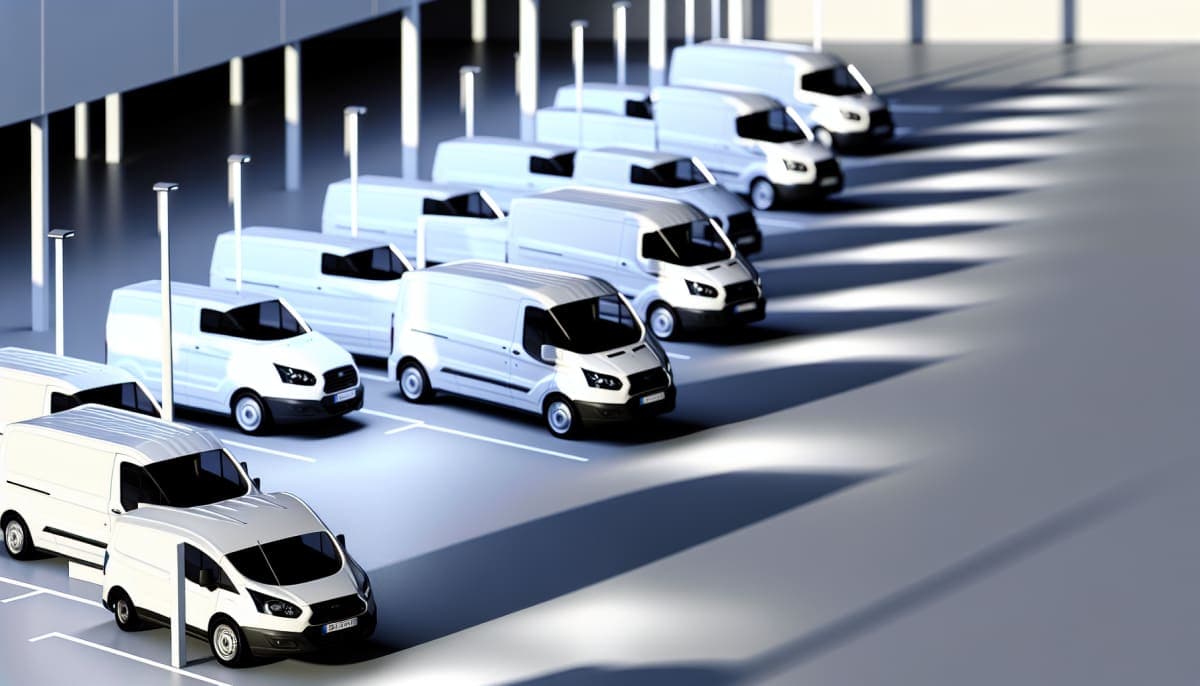
- Owns or leases vehicles used for business purposes (delivery vans, service trucks, company cars, work trucks)
- Has employees who drive for work — even if they use their personal vehicles
- Transports goods, equipment, or materials as part of its operations
- Provides transportation services (delivery, rideshare, taxi, limousine)
- Sends employees to client sites, job sites, or between locations
Even businesses that do not own vehicles should consider hired and non-owned auto coverage if employees ever drive for business purposes. The liability exposure from an employee-caused accident while performing work duties falls on the business, regardless of who owns the vehicle.
Personal Auto vs. Commercial Auto Insurance
A common misconception is that personal auto insurance covers business use of a vehicle. In reality, personal auto policies contain exclusions for commercial use that can leave significant gaps:
Personal auto policies typically exclude:
- Vehicles used primarily for business purposes
- Vehicles owned by or registered to a business
- Vehicles used for delivery or transportation for hire
- Liability arising from business operations
Commercial auto policies provide:
- Coverage for business-owned vehicles and business use
- Higher liability limits appropriate for commercial risk
- Coverage for multiple drivers and vehicles under one policy
- Fleet management options for businesses with multiple vehicles
- Hired and non-owned auto endorsements
If a personal vehicle is used regularly for business purposes — such as driving to client meetings, transporting equipment, or making deliveries — the personal auto insurer may deny a claim on the grounds that the vehicle is being used commercially. Commercial auto insurance eliminates this risk.
The exception is occasional, incidental business use of a personal vehicle (such as driving to pick up office supplies). Most personal auto policies permit this limited use, but anything more regular or more directly tied to your business operations may trigger the commercial use exclusion.
Cost Factors for Commercial Auto Insurance
Commercial auto premiums typically range from $1,200 to $3,500 per year per vehicle for small businesses. Several factors determine where your cost falls within that range:
Vehicle Type and Use
The type of vehicle and how it is used are the primary cost drivers. A sedan used for occasional sales calls costs less to insure than a heavy-duty truck used for daily deliveries or construction hauling. Vehicles that carry passengers or transport hazardous materials face the highest rates.
Driver Records
The driving records of all employees listed on the policy directly affect your premium. Moving violations, at-fault accidents, and DUI/DWI convictions increase costs substantially. Some carriers will not insure businesses whose drivers have recent serious violations.
Coverage Limits and Deductibles
Higher liability limits and lower deductibles increase your premium. Most businesses should carry at least $1 million in commercial auto liability, and many contracts require it. Physical damage deductibles of $500–$1,000 are standard.
Number and Age of Vehicles
More vehicles mean a higher total premium, though many carriers offer fleet discounts for policies covering multiple vehicles. Newer vehicles cost more to insure for physical damage (higher replacement value), while older vehicles may cost less for physical damage but may not be worth insuring for collision/comprehensive.
Location and Territory
Where your vehicles are primarily garaged and operated affects your premium. Urban areas with higher traffic density, accident frequency, and theft rates cost more than rural areas.
Annual Mileage
Vehicles that are driven more miles have more exposure to accidents. Some carriers offer reduced rates for vehicles with lower annual mileage.
Industry
Your industry affects your commercial auto rates. Businesses in construction, transportation, and delivery pay more than professional services firms that use vehicles primarily for sales calls and client visits.
State Requirements
Every state requires minimum liability insurance for commercial vehicles, but the specific requirements vary. Use our state requirements checker to look up the rules for your state. Key variations include:
- Minimum liability limits — State minimums for commercial vehicles range from $25,000 to $50,000 per person for bodily injury. However, state minimums are generally considered inadequate for commercial operations, and most businesses should carry significantly higher limits.
- No-fault states — States with no-fault auto insurance systems (including Florida, Michigan, New York, and others) require personal injury protection (PIP) coverage for all vehicles, including commercial ones.
- Uninsured/underinsured motorist requirements — Many states require UM/UIM coverage for commercial vehicles.
- Federal requirements — Businesses that operate across state lines or transport certain goods (hazardous materials, passengers for hire) are subject to Federal Motor Carrier Safety Administration (FMCSA) requirements, which mandate higher liability limits ($750,000 to $5 million depending on cargo type).
Managing a Commercial Fleet
Businesses with multiple vehicles face additional considerations:
Fleet Management Best Practices
- Written driver policies — Establish clear policies regarding vehicle use, personal use restrictions, distracted driving, and mandatory seatbelt use.
- Driver screening and monitoring — Check motor vehicle records (MVRs) at hire and annually for all drivers. Address violations promptly and establish clear consequences for unsafe driving.
- Vehicle maintenance programs — Regular maintenance reduces mechanical-failure-related accidents and extends vehicle life. Document all maintenance for each vehicle.
- Telematics and GPS tracking — Many carriers offer discounts for businesses that install telematics devices that monitor driving behavior (speed, braking, acceleration, idle time). These devices also help with route optimization and vehicle recovery.
- Accident reporting procedures — Establish clear procedures for reporting accidents immediately, including gathering information, taking photos, and contacting your carrier.
Fleet Discounts
Many carriers offer fleet discounts for policies covering five or more vehicles. Discounts typically range from 5–15% and increase with the number of vehicles. Additional discounts may be available for:
- Clean driving records across the fleet
- Telematics or GPS monitoring
- Anti-theft devices
- Defensive driving training for all drivers
- Annual vehicle safety inspections
Hired and Non-Owned Auto for Fleets
Even businesses with fleet policies should consider hired and non-owned auto coverage. Employees may occasionally rent vehicles for business travel, use personal vehicles for errands, or drive vehicles borrowed from other businesses. Hired and non-owned auto coverage fills these gaps.
Commercial Auto and Your Umbrella Policy
Your commercial umbrella policy can provide additional liability limits above your commercial auto policy, just as it does for your general liability and employer's liability. If a severe auto accident results in a claim exceeding your commercial auto liability limit, the umbrella policy responds for the excess amount.
To coordinate with an umbrella policy, your commercial auto policy must meet the underlying insurance requirements specified in the umbrella policy (typically minimum limits of $1 million CSL or equivalent). Work with your agent to ensure your commercial auto and umbrella policies are properly coordinated.
For more detailed coverage information and carrier comparisons, visit our commercial auto insurance guide.
Frequently Asked Questions
Do I need commercial auto insurance if I use my personal car for business?
If you use your personal vehicle regularly for business purposes — such as meeting clients, making deliveries, or traveling between job sites — you face a coverage gap. Your personal auto policy may deny claims arising from business use. At minimum, your business should carry hired and non-owned auto coverage to protect against liability from employees (including you) using personal vehicles for work. If your personal vehicle is used primarily for business, a commercial auto policy may be necessary.
How much does commercial auto insurance cost per vehicle?
Most small businesses pay between $1,200 and $3,500 per year per vehicle for commercial auto insurance. Costs depend on the vehicle type, how it is used, driver records, coverage limits, location, and annual mileage. Light-duty vehicles used for service calls typically fall in the middle of this range, while heavy trucks and vehicles used for delivery or construction cost more.
What is the difference between hired auto and non-owned auto coverage?
Hired auto covers liability when your business rents, borrows, or hires a vehicle for business use. Non-owned auto covers liability when employees use their personal vehicles for business purposes. Both are typically added as endorsements to a commercial auto or general liability policy. Together, they protect your business from liability exposures that your standard commercial auto policy (covering only company-owned vehicles) does not address.
Can my employees drive company vehicles for personal use?
Policies vary, but most commercial auto policies can be structured to allow limited personal use of company vehicles by authorized employees. However, personal use increases your premium and exposure. If you allow personal use, establish clear written policies about who can drive, when, and under what circumstances. Discuss personal use provisions with your carrier to ensure coverage applies.
Do I need commercial auto insurance for a food delivery business?
Yes. Food delivery businesses rely on vehicles as a core part of their operations, which creates significant auto liability exposure. Even if delivery drivers use their own vehicles, the business needs hired and non-owned auto coverage. If the business owns delivery vehicles, a full commercial auto policy is essential. Personal auto policies typically exclude delivery and transportation-for-hire activities.