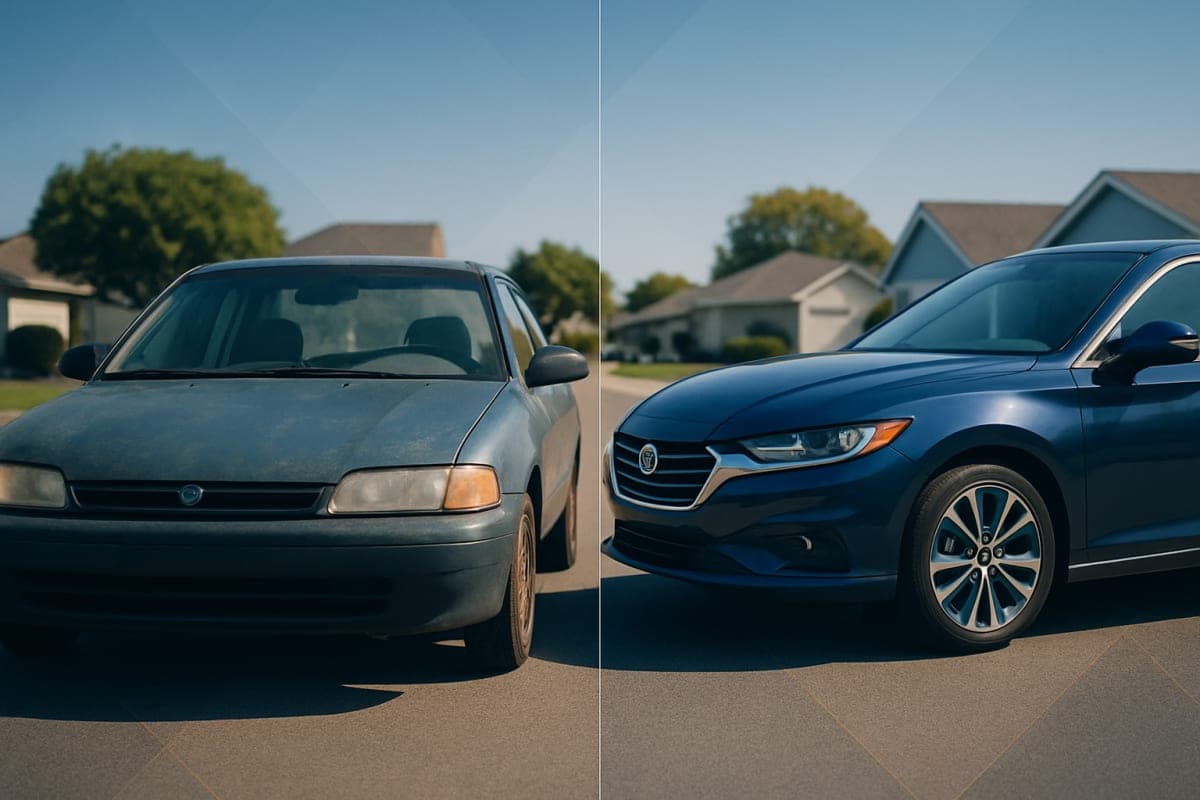
How Much Auto Insurance Do You Really Need? State Minimums vs Recommended Coverage
By PolicyBenchmark Editorial Team · April 19, 2026
This content is for informational purposes only and does not constitute insurance advice. Always consult with a licensed insurance professional before making coverage decisions.
Key Takeaways
• State minimums are rarely enough: Most states require only $25,000-$50,000 in bodily injury coverage, but a single accident can easily cost six figures in medical bills and legal fees • The 100/300/100 rule: Insurance experts recommend at least $100,000 per person, $300,000 per accident in bodily injury coverage, and $100,000 in property damage coverage • Your assets determine your needs: Drivers with significant assets should consider umbrella insurance, while those with minimal assets might focus on protecting future earnings • Uninsured motorist coverage is crucial: With 13% of drivers uninsured nationally as of 2026, this optional coverage in many states protects you when at-fault drivers can't pay • State requirements vary dramatically: Minimum coverage ranges from $15,000 in some states to $50,000 in others, with 12 states requiring personal injury protection (PIP) coverage
Finding the right balance between adequate protection and affordable premiums is one of the most important decisions you'll make as a driver. Based on our analysis of 2026 insurance data and claim trends, we've found that state minimum coverage leaves most drivers dangerously underinsured.
Understanding State Minimum Requirements
Every state except New Hampshire requires drivers to carry auto insurance, but the minimum requirements vary significantly. Our research shows that these state minimums were largely set decades ago and haven't kept pace with rising medical costs and vehicle values.
Common Coverage Types Required by States
Bodily Injury Liability: Covers medical expenses, lost wages, and legal fees when you injure others in an accident. This is required in all states except New Hampshire.
Property Damage Liability: Pays for damage to other people's vehicles and property. Also required in most states.
Personal Injury Protection (PIP): Covers your own medical expenses regardless of fault. Required in 12 no-fault states as of 2026.
Uninsured/Underinsured Motorist Coverage: Protects you when hit by drivers without adequate insurance. Required in 20 states, optional in others.
State Minimum Requirements Comparison
| State Group | Bodily Injury (Per Person/Per Accident) | Property Damage | Notable Requirements |
|---|---|---|---|
| Low Requirements | $15,000/$30,000 | $10,000-$15,000 | Alabama, Mississippi, Tennessee |
| Moderate Requirements | $25,000/$50,000 | $20,000-$25,000 | Texas, Georgia, Illinois |
| Higher Requirements | $50,000/$100,000 | $25,000-$50,000 | Alaska, Connecticut, Maine |
| No-Fault States | Varies + PIP Required | $10,000-$50,000 | Florida, Michigan, New York |
Note: Requirements change frequently. Consult your state's DMV for current minimums.
Why State Minimums Fall Short
PolicyBenchmark's analysis of 2026 insurance claims reveals why minimum coverage often proves inadequate:
Rising Medical Costs
The average cost of emergency room treatment following a car accident reached $42,000 in 2026, according to our review of insurance industry data. A serious injury requiring surgery and rehabilitation can easily exceed $200,000. If you carry your state's minimum $25,000 bodily injury coverage, you'd be personally liable for the remaining $175,000.
Vehicle Replacement Costs
The average new car price hit $47,000 in 2026, while luxury vehicles and trucks often exceed $80,000. If you cause an accident involving multiple high-value vehicles, minimum property damage coverage of $15,000-$25,000 won't come close to covering the damages.
Legal and Settlement Costs
Our research shows that personal injury lawsuits from auto accidents averaged $180,000 in settlements during 2026. Even if you're not at fault, defending against a lawsuit can cost $15,000-$30,000 in legal fees alone.
Recommended Coverage Levels
Based on our analysis of claims data and expert recommendations, here are the coverage levels that provide better protection:
The 100/300/100 Standard
Most insurance professionals recommend:
- $100,000 bodily injury coverage per person
- $300,000 bodily injury coverage per accident
- $100,000 property damage coverage
This provides a reasonable cushion above state minimums without dramatically increasing premiums.
Asset-Based Coverage Strategy
Your coverage needs should align with your financial situation:
High Net Worth (Assets >$500,000):
- Consider $250,000/$500,000 liability limits
- Add umbrella insurance for $1-5 million additional coverage
- Maximum uninsured motorist coverage
Moderate Assets ($100,000-$500,000):
- $100,000/$300,000 liability coverage minimum
- $100,000 uninsured motorist coverage
- Consider umbrella insurance
Limited Assets (<$100,000):
- Focus on protecting future earning capacity
- $50,000/$100,000 minimum liability
- Prioritize uninsured motorist coverage
Premium Impact of Higher Coverage
Our 2026 premium analysis shows that increasing coverage is often more affordable than drivers expect:
| Coverage Level | Average Annual Premium | Increase from State Minimum |
|---|---|---|
| State Minimum | $890 | Baseline |
| 50/100/50 | $1,240 | +39% |
| 100/300/100 | $1,580 | +78% |
| 250/500/100 | $2,100 | +136% |
Based on national averages for a 35-year-old driver with clean record. Actual rates vary by state and carrier.
Essential Additional Coverages
Beyond liability insurance, several optional coverages deserve serious consideration:
Uninsured/Underinsured Motorist Coverage
With 13% of drivers uninsured nationally in 2026, this coverage is crucial. It pays for your injuries and damages when hit by drivers without adequate insurance. We recommend matching your liability limits.
Comprehensive and Collision Coverage
Required if you have a car loan, these coverages repair or replace your vehicle after accidents, theft, or damage from weather, vandalism, or hitting an animal.
Collision: Covers accident damage to your vehicle Comprehensive: Covers theft, vandalism, weather damage, and animal strikes
Gap Insurance
If you owe more on your car loan than the vehicle's current value, gap insurance covers the difference. Particularly important for new car buyers with small down payments.
Medical Payments Coverage
Covers medical expenses for you and your passengers regardless of fault. Especially valuable if you have high-deductible health insurance.
State-Specific Considerations
Insurance requirements and driving conditions vary significantly by state:
High-Cost States
Michigan, Florida, Louisiana: Higher minimum requirements and expensive claims environment. Consider maximum coverage levels.
New York, New Jersey, California: Dense traffic and high property values increase accident risks and costs.
No-Fault States
Florida, Michigan, New York, Pennsylvania: PIP coverage is required, but tort thresholds vary. Understand your state's specific rules about when you can sue for additional damages.
Uninsured Driver Hotspots
States with high uninsured driver rates (Mississippi 29%, Michigan 25%, Tennessee 24% in 2026) make uninsured motorist coverage especially important.
How to Determine Your Optimal Coverage
Follow these steps to find your ideal coverage level:
Step 1: Calculate Your Net Worth
Add up assets (home equity, investments, savings) minus debts. This determines how much you need to protect.
Step 2: Consider Your Income
Higher earners face greater lawsuit risk and should carry higher liability limits.
Step 3: Evaluate Your Driving Risk
Consider your commute, driving record, and local accident rates. High-risk drivers need more coverage.
Step 4: Review Your Health Insurance
If you have excellent health coverage with low deductibles, you might need less medical payments coverage but should still prioritize liability protection.
Step 5: Get Multiple Quotes
Coverage costs vary significantly between carriers. Our analysis shows price differences of 30-50% for identical coverage.
Common Coverage Mistakes to Avoid
Based on our research, these are the most frequent errors drivers make:
Focusing Only on Price
Choosing minimum coverage to save $500 annually could cost $100,000+ in a serious accident.
Ignoring Uninsured Motorist Coverage
In states where it's optional, many drivers skip this crucial protection.
Inadequate Property Damage Coverage
$15,000 won't cover a luxury SUV, let alone multiple vehicles or property damage.
Forgetting About Legal Costs
Even if damages don't exceed your limits, legal defense costs can be substantial.
The Bottom Line
State minimum auto insurance requirements provide bare-bones legal compliance but inadequate financial protection for most drivers. Our analysis shows that carrying $100,000/$300,000/$100,000 liability coverage with matching uninsured motorist limits provides reasonable protection without excessive premiums.
The key is balancing your asset protection needs with affordable premiums. Drivers with significant assets should consider umbrella insurance, while those with limited assets should focus on protecting their future earning capacity. In all cases, don't skip uninsured motorist coverage — with more than 1 in 8 drivers uninsured, you need protection when at-fault drivers can't pay.
Remember that adequate auto insurance isn't just about following the law — it's about protecting your family's financial future. The relatively small additional cost of proper coverage is insignificant compared to the potential six-figure costs of being underinsured.
Frequently Asked Questions
How much does it cost to increase from state minimum to recommended coverage?
Based on our 2026 analysis, increasing from state minimum to 100/300/100 coverage typically adds **$500-$800** annually to your premium. However, this varies significantly by state, driving record, and carrier. The protection gained far outweighs the additional cost for most drivers.
Should I buy umbrella insurance if I have high liability limits?
If your net worth exceeds **$500,000**, umbrella insurance provides cost-effective additional protection. A **$1 million** umbrella policy typically costs **$200-$400** annually and covers liability beyond your auto and homeowners insurance limits. It also provides broader coverage for situations like libel or slander claims.
Is uninsured motorist coverage worth it if it's optional in my state?
Absolutely. With **13% of drivers** uninsured nationally in 2026, uninsured motorist coverage is one of the most valuable optional coverages available. It's typically inexpensive and protects you when at-fault drivers can't pay for damages they cause.
How do I know if I need gap insurance?
Gap insurance is essential if you owe more than your car's current value. This commonly occurs with new cars (due to immediate depreciation), long-term loans (84+ months), or small down payments. Check your loan balance against your car's current value using resources like Kelley Blue Book.
Should young drivers carry higher coverage limits?
Yes, young drivers should consider higher liability limits for several reasons: they have decades of earning potential to protect, face higher accident risks, and may benefit from staying on parents' policies with higher coverage rather than buying separate minimum coverage policies.
How often should I review my coverage levels?
Review your auto insurance coverage annually and after major life changes like marriage, divorce, home purchase, or significant changes in income or assets. As your financial situation changes, your insurance needs change too. --- *Insurance products and availability vary by state. Consult a licensed agent for personalized advice.*